

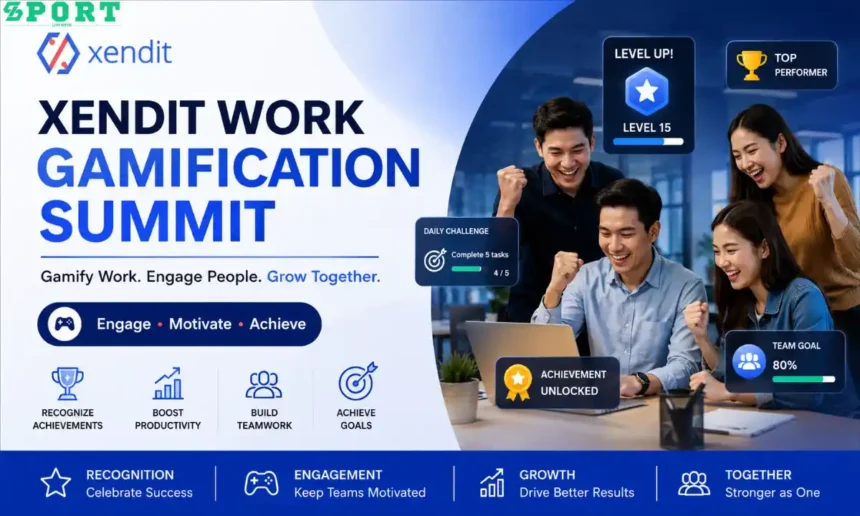
Modern organizations are constantly looking for innovative ways to improve employee engagement, productivity, and workplace satisfaction. One topic that has recently attracted attention is Xendit Work GamificationSummit, a concept associated with applying gamification strategies to daily work activities. Although Xendit is widely recognized as a leading fintech company in Southeast Asia, there is limited publicly available information confirming an official event with this exact name. Instead, it is generally discussed as a workplace engagement concept that combines game-inspired techniques with employee development and organizational performance.
This guide explores the idea behind Xendit Work GamificationSummit, explaining its objectives, core principles, benefits, implementation strategies, technologies, challenges, and the growing importance of workplace gamification in today’s business environment.
What Is Xendit Work GamificationSummit?
Xendit Work GamificationSummit is a workplace engagement concept that focuses on making everyday work more interactive and rewarding through gamification. Rather than turning work into a game, it incorporates elements such as achievements, progress tracking, rewards, team challenges, and recognition systems to encourage employees to stay motivated and productive.
The overall goal is to create a work environment where employees enjoy achieving goals, learning new skills, collaborating with teammates, and receiving recognition for their contributions.
Quick Overview
| Feature | Details |
|---|---|
| Topic | Workplace Gamification |
| Associated Company | Xendit |
| Industry | Fintech |
| Main Objective | Employee Engagement |
| Core Strategy | Gamification |
| Target Audience | HR Teams, Managers, Business Leaders |
| Focus Areas | Productivity, Learning, Collaboration |
| Rewards | Recognition, Achievements, Career Growth |
| Benefits | Higher Engagement, Better Performance |
| Status | Workplace Engagement Concept |
Understanding Workplace Gamification
Gamification refers to the use of game-inspired mechanics in non-gaming environments to increase participation, motivation, and engagement.
Instead of relying only on salaries, annual bonuses, or performance reviews, gamification introduces continuous motivation through visible achievements, progress tracking, and recognition.
Common gamification elements include:
- Achievement badges
- Progress bars
- Experience points
- Skill levels
- Team challenges
- Weekly missions
- Employee recognition
- Leaderboards
- Learning rewards
- Performance milestones
These features make everyday work more engaging without distracting employees from their responsibilities.
Why Organizations Are Adopting Gamification
Many businesses face common workplace challenges, including:
- Low employee engagement
- Poor collaboration
- Burnout
- Lack of recognition
- Limited participation in training
- High employee turnover
Gamification helps address these issues by rewarding positive behaviors, encouraging teamwork, and making professional growth more visible.
Employees feel more connected to their work because every completed task contributes toward larger organizational objectives.
Objectives of Xendit Work GamificationSummit
The primary objectives include:
| Objective | Description |
|---|---|
| Increase Engagement | Encourage active employee participation |
| Improve Productivity | Motivate employees to complete tasks efficiently |
| Enhance Collaboration | Promote teamwork across departments |
| Support Learning | Reward continuous skill development |
| Increase Motivation | Encourage consistent performance |
| Employee Recognition | Celebrate achievements regularly |
| Better Retention | Improve employee satisfaction and loyalty |
| Performance Tracking | Measure progress effectively |
Core Principles
1. Meaningful Progress
Employees should clearly understand how their daily contributions support the organization’s long-term goals. Visible progress helps maintain motivation.
2. Recognition Instead of Excessive Competition
The focus is on appreciating employee achievements, teamwork, creativity, and continuous improvement rather than encouraging unhealthy competition.
3. Continuous Learning
Training becomes more engaging when employees earn badges, certificates, or new opportunities after completing learning milestones.
4. Team Collaboration
Departments work together toward common goals, strengthening communication and problem-solving skills.
Examples include:
- Customer satisfaction campaigns
- Product launch objectives
- Sales performance challenges
- Customer support improvement initiatives
How Workplace Gamification Works
A typical gamification process follows these steps:
- Step 1: Employees receive clear objectives.
- Step 2: Tasks are completed and rewarded with points.
- Step 3: Achievements unlock badges or recognition.
- Step 4: Progress appears on dashboards.
- Step 5: Managers recognize employee accomplishments.
- Step 6: Learning milestones unlock additional opportunities.
- Step 7: Teams work together toward larger organizational goals.
Gamification Features
| Feature | Purpose |
|---|---|
| Points | Reward completed tasks |
| Badges | Recognize achievements |
| Levels | Represent professional growth |
| Progress Bars | Show task completion |
| Challenges | Encourage participation |
| Missions | Strengthen teamwork |
| Leaderboards | Increase transparency |
| Rewards | Boost motivation |
| Dashboards | Monitor performance |
| Analytics | Measure engagement |
Technologies Supporting Workplace Gamification
Organizations often use various digital tools to support gamification, including:
- Employee engagement platforms
- HR management software
- Learning management systems
- Performance dashboards
- Artificial Intelligence
- Employee recognition platforms
- Collaboration software
- Workflow automation tools
- Data analytics systems
- Business intelligence solutions
These technologies allow organizations to measure engagement and improve employee experiences over time.
Benefits of Xendit Work GamificationSummit
Higher Employee Engagement
Employees are more likely to stay motivated when their contributions are recognized consistently.
Improved Collaboration
Team challenges encourage departments to work together toward shared goals.
Faster Learning
Interactive training programs improve knowledge retention and participation.
Increased Productivity
Employees remain focused because smaller milestones create continuous motivation.
Stronger Workplace Culture
Recognition programs foster trust, appreciation, and a positive work environment.
Better Employee Retention
Employees who feel valued are more likely to remain with an organization for the long term.
Industries That Can Benefit
| Industry | Benefits |
|---|---|
| Fintech | Improved employee engagement |
| Banking | Better learning participation |
| Healthcare | Increased staff motivation |
| Retail | Higher sales performance |
| Education | Enhanced training completion |
| Manufacturing | Better operational efficiency |
| Technology | Greater innovation |
| Customer Support | Improved service quality |
| Startups | Stronger collaboration |
| Remote Companies | Better employee connection |
Best Practices for Successful Implementation
Organizations should:
- Set clear and measurable goals.
- Keep rewards meaningful.
- Encourage teamwork.
- Avoid excessive competition.
- Recognize both effort and achievement.
- Collect employee feedback regularly.
- Monitor performance continuously.
- Improve the system over time.
Balanced gamification creates sustainable employee engagement.
Common Challenges
Although workplace gamification offers many advantages, organizations should also be aware of potential challenges.
Poor System Design
Complicated systems may reduce participation.
Too Much Competition
Excessive competition can negatively affect teamwork.
Unclear Objectives
Employees need transparent goals to stay motivated.
Reward Fatigue
Rewards should remain valuable and meaningful over time.
Limited Feedback
Regular communication is essential for continuous improvement.
Future Trends
Workplace gamification is expected to continue evolving through innovations such as:
- AI-powered personalization
- Predictive employee analytics
- Virtual reality training
- Intelligent coaching assistants
- Personalized learning paths
- Real-time performance dashboards
- Automated recognition systems
- Collaborative innovation programs
- Behavioral analytics
- Advanced employee engagement platforms
These developments are likely to create even more personalized and effective workplace experiences.
Tips for Businesses
Businesses interested in implementing workplace gamification should consider the following:
- Begin with small pilot programs.
- Define measurable success indicators.
- Reward continuous learning.
- Encourage collaboration.
- Focus on long-term engagement.
- Listen to employee feedback.
- Continuously improve the system.
Why Workplace Gamification Matters
Today’s workforce values recognition, career growth, collaboration, and meaningful work. Traditional performance management often focuses only on results, while gamification encourages continuous progress and positive reinforcement.
By combining structured goals, visible achievements, and regular recognition, organizations can build a more motivated workforce while improving overall productivity and employee satisfaction.
FAQs
What is Xendit Work GamificationSummit?
It is a workplace engagement concept that applies gamification principles to improve employee motivation, collaboration, and productivity.
Is Xendit Work GamificationSummit an official event?
There is limited publicly available information confirming an official event with this exact name. It is more commonly discussed as a workplace engagement concept.
What is workplace gamification?
Workplace gamification involves using game-like elements such as points, badges, challenges, and rewards to make work more engaging and motivating.
Can gamification improve productivity?
Yes. When implemented effectively, gamification can increase employee engagement, encourage collaboration, and support continuous learning.
Which organizations can benefit from workplace gamification?
Businesses of all sizes, including startups, technology companies, healthcare organizations, educational institutions, financial services, retail businesses, and customer support teams, can benefit from gamification strategies.
Conclusion
Xendit Work GamificationSummit highlights the growing importance of workplace gamification as a modern approach to employee engagement and organizational success. By combining meaningful goals, continuous recognition, collaborative challenges, and professional development opportunities, businesses can create a more productive and motivated workforce. As organizations continue to embrace digital transformation, gamification is expected to play an increasingly important role in shaping the future of work, employee satisfaction, and long-term business growth.
Also, Read about: Tech Hacks PBLinuxGaming || Wheon Subway Surfers for PC