

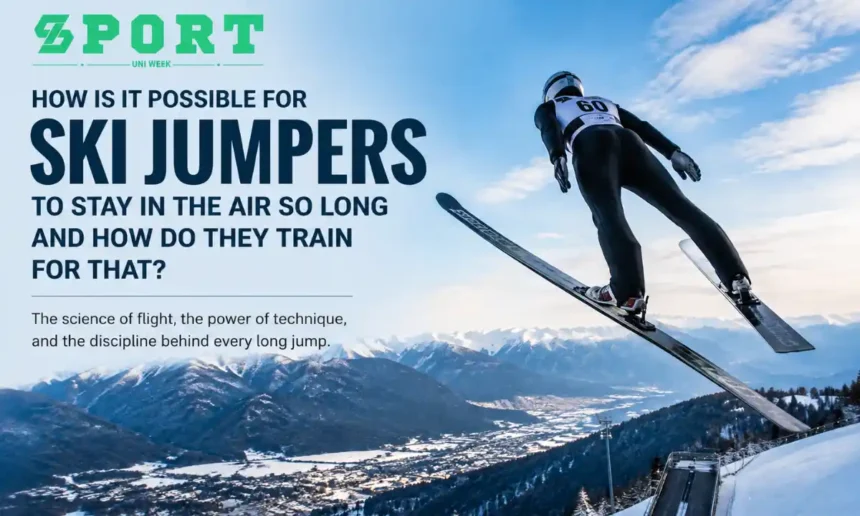
Ski jumping is a spectacular winter sport where athletes glide down snow-covered ramps and stay airborne for several seconds, covering long distances that often exceed 100 meters. While it may appear that they are defying gravity, ski jumpers rely on a combination of aerodynamics, precise technique, and intensive training to maximize their airtime. The art of staying aloft involves controlling lift, drag, and speed to transform momentum into a smooth, controlled glide.
How Ski Jumpers Stay in the Air So Long?
Ski jumpers do not actually fly they glide in a carefully controlled manner that allows them to stay in the air longer. When leaving the ramp, three main forces act on them: gravity pulls them downward, lift generated by airflow over the skis and body slows their descent, and drag resists forward motion. By adjusting the angle of their skis and leaning their body forward, athletes optimize lift while reducing drag. The V-style posture, where the skis are spread in a wide “V” and the body leans forward, increases the effective surface area for lift, stabilizing the glide and allowing them to cover greater distances before landing.
High-speed takeoff from the in-run ramp provides the kinetic energy required for the jump. Micro-adjustments to body position during flight, combined with proper timing at takeoff, ensure that the jumper remains in the air as long as possible. The landing slope is designed to match the natural flight curve, allowing a safe and smooth touchdown while maintaining the appearance of extended flight.
Training Methods That Enable Longer Flight
Ski jumpers undergo rigorous training to perfect both physical and technical aspects:
Physical Conditioning
Athletes focus on developing explosive leg strength for powerful takeoffs, core stability to maintain the flight position, balance to control their body mid-air, and flexibility to allow full range of motion during jumps.
Technical Practice
Wind tunnel simulations help refine posture and aerodynamics. Dry-land drills imitate takeoff and flight movements safely, while video analysis allows coaches to make minute adjustments to optimize lift and reduce drag.
Year-Round Jumping
Training is not limited to winter; plastic-covered ramps enable summer practice, ensuring athletes maintain consistency and improve their technique throughout the year.
Mental Preparation
Visualization techniques, focus training, and controlled breathing help athletes maintain precision under the pressure of high-speed jumps.
Role of Equipment and Hill Design
| Equipment | Purpose |
|---|---|
| Skis | Longer and wider to generate maximum lift. |
| Aerodynamic suits | Reduce drag and maintain airflow efficiency. |
| Bindings & boots | Ensure precise control of body posture during flight. |
| Hill design | Landing slopes are contoured to match the jumper’s trajectory for safety. |
Proper equipment enhances lift and stability, but strict regulations ensure that success relies on skill and technique rather than technology alone.
Factors That Contribute to Extended Airtime
| Factor | How It Helps |
|---|---|
| Takeoff speed | Converts momentum into a long horizontal glide. |
| V-style flight position | Maximizes lift and minimizes drag. |
| Aerodynamic body posture | Streamlines airflow and enhances stability. |
| Equipment | Optimized skis and suits improve flight control. |
| Training | Strength, balance, and technical precision refine performance. |
| Mental discipline | Focus and visualization ensure consistent execution. |
Conclusion
Ski jumpers stay in the air for longer durations by combining physics, technique, and training. Their skis and body act like a wing, generating lift while minimizing drag. High-speed takeoff, the V-style posture, aerodynamic equipment, and a disciplined combination of strength, balance, and mental focus transform momentum into a smooth, extended glide. Through careful control of their flight and consistent year-round training, ski jumpers create the breathtaking aerial displays that make this sport so impressive.
FAQs
How do ski jumpers stay in the air so long?
By using lift from airflow over skis and body while minimizing drag, combined with the V-style posture.
What is the V-style technique?
Spreading skis in a wide “V” and leaning forward to maximize lift and stabilize flight.
How do ski jumpers train for long airtime?
Through leg strength, core and balance exercises, dry-land drills, wind tunnel sessions, and summer ramp practice.
Does equipment affect airtime?
Yes, skis, suits, and boots influence lift, drag, and flight control.
Can mental focus affect performance?
Yes, visualization and concentration help maintain proper posture and consistency in flight.